Garden Clearance in Chessington
Garden clearance in Chessington should leave outdoor space ready for practical use, not just visibly tidier. We provide a straightforward service for removing green waste, broken outdoor items, old planters, soil in manageable quantities, and general garden clutter that has built up over time. The aim is to clear the area carefully, separate reusable or recyclable materials where appropriate, and leave the space easier to maintain, replant or prepare for further work.
Our service is suited to overgrown plots, routine tidy-ups, post-project waste, and one-off clearances after seasonal pruning or landscaping. We handle a range of garden materials with an eye on safe loading, sensible sorting and practical access. That means you can focus on the outcome you want, whether that is opening up a patio, restoring borders, or making room for a new layout. Tell us what needs removing and we can help shape a suitable quotation.
The work can include green waste, branches, hedge cuttings, soil, turf, broken fencing sections, dismantled sheds or old outdoor furniture where these items are part of the clearance scope. If the job involves awkward access, mixed materials or heavier garden debris, it is useful to describe that clearly at the start. Useful details help us price the work accurately and plan the right team and equipment for the collection.
Garden waste removal and green materials
Garden waste removal is the core of many clearances, especially when pruning, digging or seasonal maintenance produces more material than a household bin system can take. We can clear loose vegetation, cuttings, weeds, dead plants and other organic matter from beds, lawns and borders. Where the waste is mixed, we aim to keep green material separate from harder items so it can be managed in the most suitable way.
Not every garden job is the same. Some customers need a quick collection after trimming hedges, while others need a fuller sweep of a plot that has become difficult to access. A sensible quotation takes account of volume, weight, the ease of moving waste to the vehicle and whether the material is bagged, piled or spread out. If you are comparing options, focus on how the service handles the actual contents rather than on vague promises.
For a clearer quotation, it helps to note whether the waste is mostly light green cuttings or includes heavier items such as branches, roots and damp soil. A simple description is often enough, but if you want to speed up the process, a short list can help. For example: hedge trimmings, lawn cuttings, a few bags of soil and some old pots. Pricing and quotes can be discussed once the main waste types are known.
Garden clearance for sheds, fencing and outdoor structures
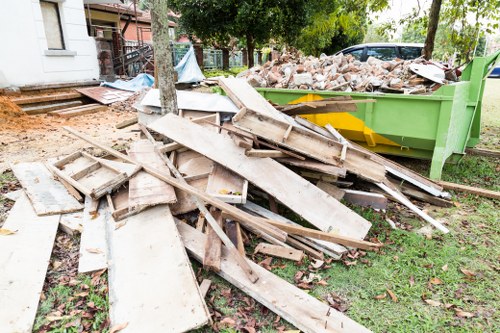
Some clearances involve more than loose garden waste. Old fencing panels, broken posts, shed contents, damaged edging, compost bins and discarded timber often need to be removed alongside vegetation. When these items are part of the job, the clearance becomes more about restoring the use of the space than simply collecting waste. We can deal with mixed outdoor materials in a practical order, starting with items that are easiest to move and separating them as we go.
If a shed or boundary area is being cleared, it is often helpful to think about what should stay and what should go before the work starts. That may include garden tools, stored pots, dismantled shelving, lengths of timber, rusty fittings or old fixings that are no longer useful. A clear brief reduces delay and helps the team work efficiently without disturbing items you want to keep. If the space is tight, access details can matter as much as the volume of waste.
Some customers prefer to prepare a straightforward note of what is included in the clearance, rather than trying to describe the whole garden. In practice, a simple list can be enough:
- hedge cuttings and branches
- old pots, planters and bags
- broken fence panels or posts
- timber, trellis or shed debris
- soil, turf or roots
Access, loading and handling heavier garden materials
Garden clearance often depends on access as much as on the amount of material to be removed. Long paths, side passages, narrow gates, steps and awkward corners can all affect how quickly the work can be completed. We take those practical issues into account so the collection plan reflects the property layout rather than assuming a simple straight run to the vehicle. That helps keep the job organised and reduces unnecessary disturbance.
Heavier outdoor materials need different handling from loose clippings. Damp soil, turf, rubble from small landscaping tasks, concrete edging and thick branches can all increase the load and require more care. It is useful to mention if the waste is spread across several areas, stacked behind other items or likely to need basic dismantling. These details do not make the job complicated for their own sake; they simply help define the scope accurately.
Clear access information can make a quotation more reliable, especially if the work involves carrying items through the home, across shared areas or down steps. If you are unsure what matters, think about where the waste sits, how far it must be moved and whether there are any obstacles. Contact us when you are ready to discuss the removal in more detail.
Seasonal tidy-ups and regular garden maintenance support
Many garden clearances arise from seasonal work rather than a major project. Autumn leaf fall, spring pruning, summer hedge trimming and end-of-year tidying can all produce a surprising amount of waste. A clearance service helps when bags, branches and loose debris start to build up faster than a household can manage on its own. The result is usually a cleaner, more workable outdoor space that is easier to keep under control.
Regular maintenance support is useful where cutting and clearing happen together. For example, once borders are weeded or hedges are reduced, there may be a mix of green cuttings, string, plant supports and spent compost. We can remove the waste generated by those activities in one visit, so the job does not end with piles left waiting to be dealt with later. That makes the overall task more manageable and often less disruptive.
Where a garden has become overgrown, a staged approach may be more practical than trying to complete everything at once. In such cases, we can discuss the main priority areas first, then shape the clearance around the amount of material and the access available. Garden clearance can be organised to suit the scale of the task rather than forcing it into a one-size-fits-all pattern.
Recycling, sorting and responsible disposal

Not all garden clearance waste belongs in the same container. Green material, timber, metal fixings, plastics and mixed outdoor debris may each need different treatment depending on what has been collected. We sort items where practical so the disposal route matches the material type. That is especially important where a clearance contains both natural waste and man-made items from broken garden features or old storage areas.
Responsible disposal is part of a well-run service, but it should be described honestly. The exact route depends on the material, condition and composition of the waste, so it is better to focus on good sorting and lawful handling than to make broad claims. If the job includes items that may be recyclable, reusable or only suitable for standard disposal, we can take that into account while planning the work. The customer benefits from a tidier site and a more sensible process overall.
Recycling and sustainability is relevant when customers want to understand how different waste streams are handled. If the clearance includes a larger mixed load, it is often helpful to know which materials dominate the job, because that influences how the work is planned and priced. You do not need to over-explain it; just describe the main items plainly and accurately.
Clearance for larger outdoor refreshes and property projects
Garden clearance is often one stage in a broader refresh of the property. Before new planting, resurfacing, fence replacement or patio work begins, the space may need to be stripped back and cleared of redundant items. That can include plant waste, worn containers, old timber, broken edging and general clutter that would otherwise get in the way of the next step. A good clearance leaves a cleaner starting point for whatever comes next.
Where a project is being planned in stages, it helps to identify the waste generated by each stage rather than describing the whole garden in one block. The material created by removing a hedge is different from the debris left after lifting old sleepers or clearing a corner store area. By separating those elements, you can get a more accurate quotation and avoid confusion over what should be included. That is especially useful when the work is being coordinated with other trades or DIY plans.
Customers often want to know whether a job can be handled as a single visit or split into parts. The best approach depends on the amount and type of waste, the condition of the site and the access available. A quick conversation is usually enough to establish that. Home clearance may also be relevant where outdoor and indoor items are being dealt with together.
About Chessington
Chessington is a suburb in the Royal Borough of Kingston upon Thames, in southwest London, with a history that stretches well beyond its modern residential character. The area appears in medieval records and for centuries was a rural settlement shaped by fields, lanes and manorial landholding before London’s outward growth changed its pace and form. Today it sits near the edge of Greater London, with built-up neighbourhoods blending into pockets of green space and more open landscape toward the Surrey border. The name is widely recognised through Chessington North and Chessington South, two railway stations that reflect the area’s role as a commuter location, yet it also retains a distinct local identity. One of the best-known landmarks is Chessington World of Adventures, a large theme park and zoo complex that has become part of the area’s modern profile. Beyond that, the local landscape includes stretches associated with Horton Country Park, Hook Road Arena and nearby woodland and recreation spaces, which give residents access to walking routes and informal open ground. The area’s transport links, suburban streets and mixture of housing styles show how it has developed from a village setting into a contemporary part of outer London while still keeping traces of its older geography. Church buildings, school sites, local shopping parades and quieter residential roads all contribute to a place that is more varied than a simple commuter label suggests, with a layered character shaped by historic settlement, twentieth-century expansion and ongoing use as both a home and a destination.
Household outdoor clutter and mixed garden items
Not every garden clearance is made up purely of natural waste. Many outdoor areas accumulate mixed household items such as broken children’s equipment, worn plant stands, cracked buckets, old storage boxes or unused garden ornaments. These are often straightforward to remove, but they still need to be accounted for properly so the quote reflects the actual work. A mixed load can be more practical to clear in one visit than to divide between separate jobs.
When mixed items are involved, it is sensible to identify anything that should stay on site before collection day. That includes useful tools, recently purchased materials, plants intended for re-use and anything stored temporarily in the garden for another project. Clarity at this stage avoids confusion and keeps the work focused on the items you genuinely want taken away. If you are unsure whether an item is included, ask rather than leaving it to guesswork.
Furniture clearance can be relevant where outdoor seating, tables or storage items have been left outside and now need removing. We can discuss the best way to combine those items with your garden waste so the job is arranged efficiently and the scope is clear from the outset.
Useful preparation before a quotation
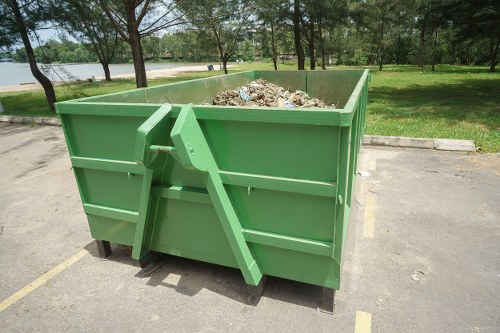
To prepare a quotation, it helps to describe the main materials, how much there is and where they are located. A few photographs can be useful, but they are not the only way to explain the job. You can also outline the approximate size of the pile, whether the waste is already bagged or loose, and whether any items need dismantling before removal. That is enough for many clearances to be priced sensibly.
If the garden contains a range of materials, note the largest or heaviest ones first. Then add any access issues such as steps, narrow gaps, uneven ground or a long carry distance. These are practical details rather than complications, and they help build a quotation that matches the real task. About us is available for anyone who wants to understand the wider business background, but the quickest route to a quote is still a plain description of the work.
When you are ready, ask for a quotation and describe the clearance in simple terms. A concise message with the main items, location of the waste and any access notes is often enough to begin. Short, accurate details are usually more helpful than long explanations, especially where the job is mainly about removing outdoor clutter efficiently.
Choosing the right kind of garden clearance
The right service depends on whether your priority is a light tidy, a full outdoor clearance or the removal of heavier mixed waste. A small pile of hedge cuttings is very different from an overgrown plot with branches, turf, timber and broken outdoor fittings. The more clearly the job is defined, the easier it is to match the service to the actual workload. That keeps expectations realistic and helps avoid unnecessary extra visits.
It can also help to think about timing. Some customers want the space cleared before a landscaping visit, while others simply need a long-neglected area brought back under control. Either way, the job is about removing the waste that is preventing useful use of the garden. If you have more than one area, such as a front garden, rear garden and shed side, it is worth listing them separately so nothing is missed in the estimate.
Garage clearance may be useful where outdoor storage and garden waste overlap, especially when the area contains both household items and debris from the garden. Where the contents are mixed, the practical aim is the same: remove what is no longer needed and leave the space easier to use.
Enquiries, quotes and next steps

If you need garden clearance in Chessington, the simplest next step is to outline what needs removing and ask for a quotation based on that description. We can then consider the type of waste, the size of the load and any access points that may affect the work. If the job includes several kinds of garden material, it is still fine to describe them in plain language rather than trying to classify everything precisely. The point is to make the job clear enough to price properly.
For more involved clearances, a brief note about the layout and the items involved will help keep the process efficient. You do not need to prepare a formal inventory, but a sensible summary of the waste, the area it occupies and any awkward features is usually enough. Request a quotation when you are ready, and we can take the details from there.
If you are comparing services, look for clear scope, sensible handling of mixed materials and straightforward communication about what is included. That is the best way to arrange a garden clearance that feels organised from start to finish. Ask for a quote today and take the first step toward clearing the space properly.